

As AI agents take on business tasks, access sensitive data, and act across enterprise systems, organizations face a new set of questions: Which agent is taking action? Who authorized it? What is it allowed to do—and how can the organization intervene when something goes wrong?
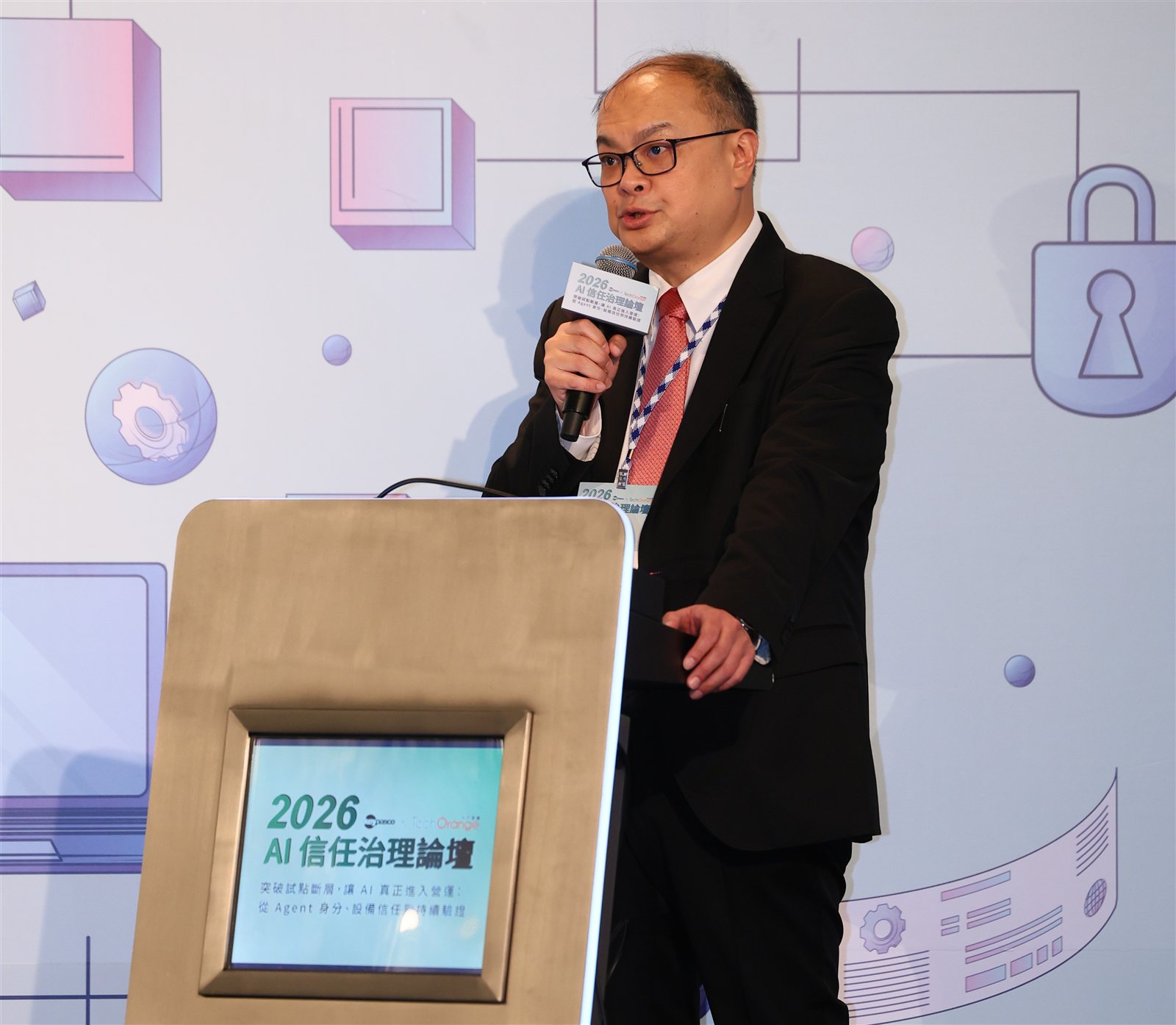
These questions shaped the conversation at the 2026 Keypasco Summit, held on September 22 at W Taipei. Co-hosted by Keypasco and TechOrange, the AI Trust Governance Forum focused on helping enterprises move AI from pilot projects into everyday operations through agent identity, device trust, and continuous verification. Explore the event.

Bringing the AI Governance Community Together
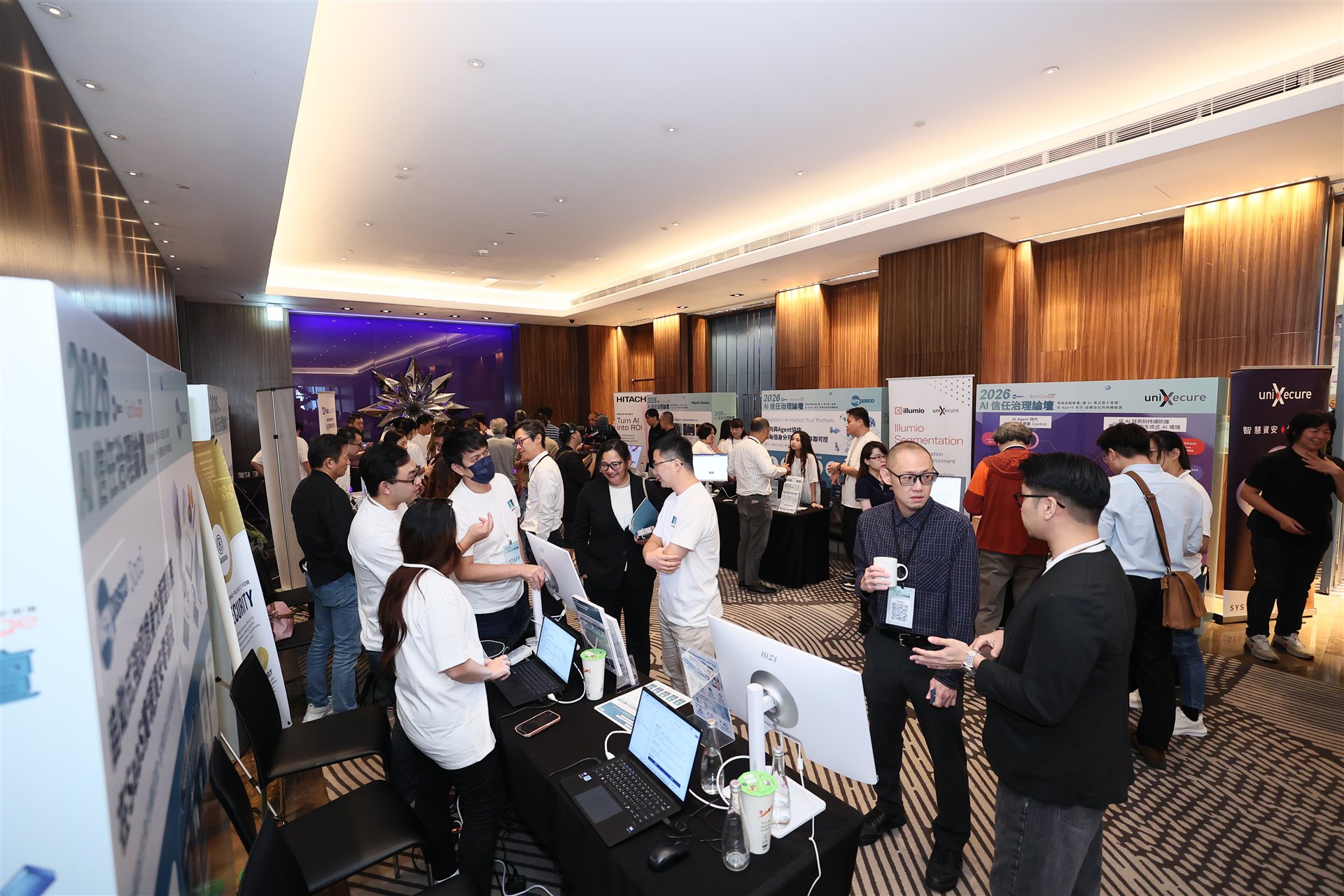
The Summit brought enterprise technology and security leaders together with international partners from Japan, Australia, Sweden, Spain, Jordan, Vietnam, and India.
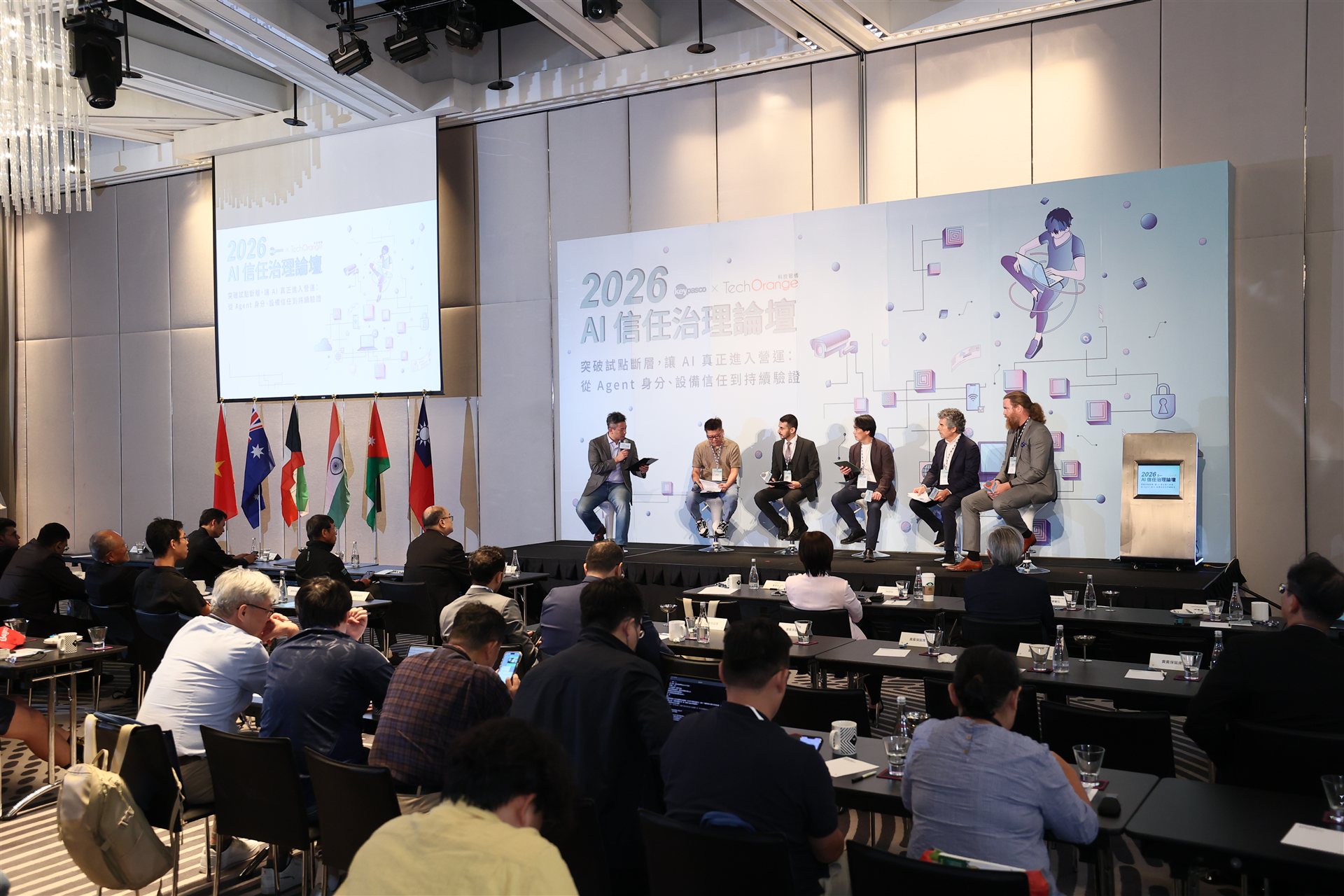
Inside the conference hall, attendees followed presentations framed by a row of national flags, reflecting the international reach of the gathering. Beyond the main stage, the exhibition area provided space for closer conversations. Visitors gathered around demonstration screens, spoke with technical teams, and explored identity security and governance solutions.
These exchanges connected the broader discussion of AI governance with practical implementation questions: how authentication fits into existing workflows, where access controls need to evolve, and what organizations must put in place before giving agents greater autonomy.
For Keypasco, the Summit created an opportunity to bring enterprise needs, technology development, and international experience into the same conversation.
Establishing Clear Boundaries for AI Agents
AI agents can plan tasks and use tools with increasing independence. As organizations connect them to business systems, however, excessive permissions, prompt injection, and incomplete audit trails can introduce risks directly into operational workflows.
In his opening remarks, Keypasco Chairman Cheng-I Lin highlighted trust as a critical barrier to bringing AI into core business operations. When agents gain access to ERP or CRM systems—or the authority to execute transactions—organizations need clear answers about identity, authorization, and accountability.
This makes agent identity an essential part of AI governance. Enterprises need to understand which agent is acting, whose authority it carries, and which actions fall within its mandate. They also need a reliable way to investigate unexpected behavior and intervene when necessary.
AI governance spans data management, model risk, organizational policy, and human oversight. Keypasco’s contribution builds on its experience in identity security, providing a technical foundation for putting governance requirements into practice.
A New Solution Direction: The Trust Identity Platform
At the Summit, Keypasco outlined its continued expansion from multi-factor authentication into broader trust governance through the development of its Trust Identity Platform.
The platform’s direction brings people, devices, and AI agents into a shared trust framework. Its goal is to give autonomous actors digital identities that organizations can recognize, authorize, manage, track, and audit.
Three priorities help explain how this approach supports enterprise AI adoption.
Agent identity establishes accountability.
Organizations need to distinguish one agent from another and connect each agent to its authorization source and responsible business owner. This creates a clearer basis for managing delegated authority.
Device trust adds context to access decisions.
Identity alone does not provide the full picture. Enterprises also need to assess the devices and environments from which access requests originate and determine whether they meet the organization’s security requirements.
Continuous verification supports ongoing control.
An agent may access different resources and invoke multiple tools while completing a task. Governance therefore needs to remain active throughout execution, supported by records that enable review and investigation.
Consider a customer service agent authorized to check order information. Its access should be limited to the data and actions required for that task. Refunds or bulk data exports may require additional review, depending on the organization’s risk policies.
This example illustrates how governance can support useful automation while preserving control over sensitive actions. It also shows why agent identity must connect with authorization policies and operational oversight.
Learning From Enterprise Practice and International Partners
The Summit explored these challenges from several perspectives, including organizational workflows, financial applications, and the transition from automation to greater autonomy.
Keypasco CTO Chia-Hsien Chang presented a next-generation identity governance architecture and advocated a shift from one-time access reviews toward continuous, dynamic verification. This direction addresses the reality of agents that operate over extended periods and move between systems as they complete tasks.
Japan’s Dai Nippon Printing (DNP) shared its experience combining zero trust and trust governance in a large enterprise environment. A closing panel brought together representatives from Keypasco, DNP, Keycyber, JoEagle, and Auspac One to discuss what it takes to move AI agents into core business operations.
Across these discussions, a common theme emerged: identity verification, access control, and auditability need to work together. Effective deployment also requires technology to align with business processes, internal policies, and clearly assigned responsibilities.
By connecting international partners through the Summit, Keypasco is creating opportunities to draw on practical experience from different markets as its solutions continue to develop.
Building the Trust Needed to Scale AI
The 2026 Keypasco Summit reflected Keypasco’s ongoing commitment to AI governance and the identity infrastructure that supports it.
Agent identity, device trust, continuous verification, and auditability provide a practical starting point for organizations preparing to give AI a larger role in their operations. Together, they help enterprises establish clear authorization boundaries and maintain accountability as autonomous systems become more capable.
Keypasco will continue working with its global partners to advance the Trust Identity Platform and its real-world applications.
For enterprises, the path forward begins with a clear understanding of every actor, every permission, and every action. With that foundation in place, AI can become a more dependable part of everyday business.